Column · @thebugjournal
When should tick control begin in Connecticut?
In Connecticut, tick control should begin in early spring, typically by late March or early April, before temperatures consistently stay above freezing. The reason is simple: the blacklegged tick, which is responsible for spreading Lyme disease and other illnesses, becomes active as soon as the snow melts and daytime temperatures reach the mid-40s Fahrenheit. Waiting until you see a tick or until summer arrives means you have already missed the window when these arachnids start looking for their first blood meal of the season.
Many homeowners assume that tick season starts with warm weather in May or June. That assumption can be costly. In Connecticut, adult blacklegged ticks are active in both the spring and the fall, while nymphs are most active from late spring through midsummer. Starting tick control early interrupts the life cycle before ticks have a chance to feed and reproduce. A single early yard treatment can reduce the tick population significantly before it peaks. For that reason, anyone living in or near wooded areas, tall grass, or leaf litter should plan their first tick control service for early spring.
Why early spring is the critical window
Blacklegged ticks spend the winter in leaf litter and under snow cover. As soon as the ground thaws and the air warms up, they emerge and begin searching for a host. Deer activity also picks up in early spring, and deer are a primary carrier of adult ticks. If you treat your yard in late March or early April, you target ticks when they are most vulnerable and before they have had a chance to lay eggs or find a host. This early treatment also reduces the number of nymphs that will appear later in the season.
Another reason to start early is that tick control treatments are most effective when applied before ticks become widespread. A single spring application can provide protection through the early part of the season. However, a follow-up treatment in late spring or early summer is often recommended to cover the nymph activity period. The exact timing depends on local weather patterns, but the principle holds: the first treatment should happen before the ticks are actively questing.
What tick control involves for a Connecticut yard
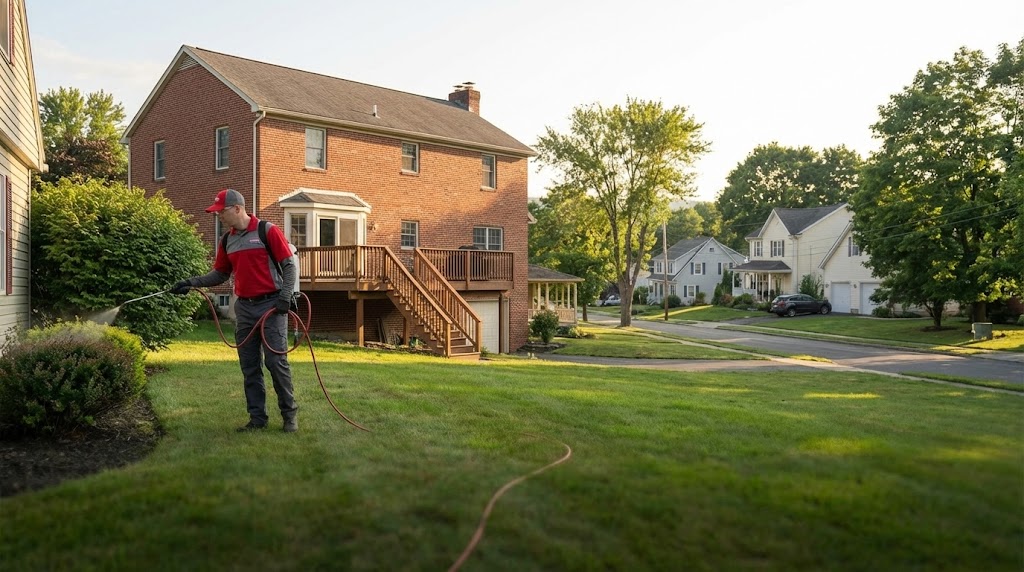
Professional tick control for a residential property typically focuses on the areas where ticks live and where people and pets spend time. The following areas are treated: the perimeter of the lawn where it meets wooded edges, areas with leaf litter and tall grass, and places where deer or rodents are active. A qualified technician will apply a spray or granular product to these habitats, targeting ticks directly and creating a barrier that reduces the chance of ticks entering the yard.
Homeowners can also take steps on their own to make the yard less inviting to ticks. Keeping grass mowed short, removing leaf litter, trimming bushes, and creating a three-foot barrier of wood chips or gravel between the lawn and the woods can all reduce tick habitat. These landscaping measures work well alongside professional treatments, but they are not a substitute for them. The combination of habitat modification and early professional application gives the best results.
What to expect from a tick control service
A standard tick control service begins with an inspection of the property. The technician looks for tick habitat, signs of deer or rodent activity, and areas where people and pets are most exposed. Then a treatment plan is designed, often with a first application in early spring and a second in late spring or early summer. Some services offer a third treatment in the fall for adult ticks. The products used are chosen to be effective against ticks while being safe for people, pets, and beneficial insects when applied correctly.
If you are considering a professional service, it is worth checking that the company is licensed and experienced with tick control specifically. Not all pest control companies handle ticks the same way. A company that focuses on ticks will understand the life cycle and the local patterns. For residents of Connecticut, the website yalepest.com provides information on tick control services that are tailored to the region’s climate and tick species. That site details the service areas and the types of treatments available, so you can decide if it fits your needs.
The role of personal inspection and prevention
Even with professional yard treatment, ticks can still be brought into the yard by deer, rodents, or birds. That is why personal inspection remains important. After spending time outdoors, especially in wooded or grassy areas, check yourself, your children, and your pets for ticks. Pay special attention to the scalp, behind the ears, the groin area, and the backs of knees. Showering within two hours of coming indoors can help wash off unattached ticks and make a full-body check easier.

Wearing light-colored clothing makes ticks easier to spot. Tucking pants into socks and wearing long sleeves in tick habitat are practical steps. Applying an EPA-approved repellent containing DEET, picaridin, or permethrin to clothing and exposed skin also reduces the risk. These personal measures are not a replacement for yard treatment, but they add an important layer of protection. Even the best tick control service cannot eliminate every tick, especially in areas with heavy deer activity.
Common misconceptions about tick season
One common belief is that ticks die off in the winter. In Connecticut, that is not true. Blacklegged ticks survive the winter under leaf litter and snow. They can become active on any day when the temperature is above freezing and the ground is not frozen. That is why a warm spell in February can bring out ticks, and why early spring treatment is necessary. Another misconception is that tick control is only needed for properties that back onto woods. Ticks can be found in any yard with tall grass, leaf piles, or shrubs, even in suburban neighborhoods. Deer and rodents move through many yards, bringing ticks with them.
Some homeowners believe that a single treatment in June will cover the entire season. That is not accurate either. Because ticks have different life stages active at different times, a single treatment may miss the nymphs that emerge in late spring. A two- or three-treatment program, starting in early spring, is more effective. The exact schedule can be discussed with a local pest control professional who knows the patterns in your specific county.
Choosing a tick control provider
When selecting a tick control service, look for a company that serves your area and that has a clear approach to tick management. Ask about the products they use, the frequency of treatments, and whether they offer a guarantee or follow-up inspections. A local company will understand the specific tick species and the timing that works best for Connecticut. For example, the timing in Fairfield County may differ slightly from that in Litchfield County due to elevation and microclimate differences.
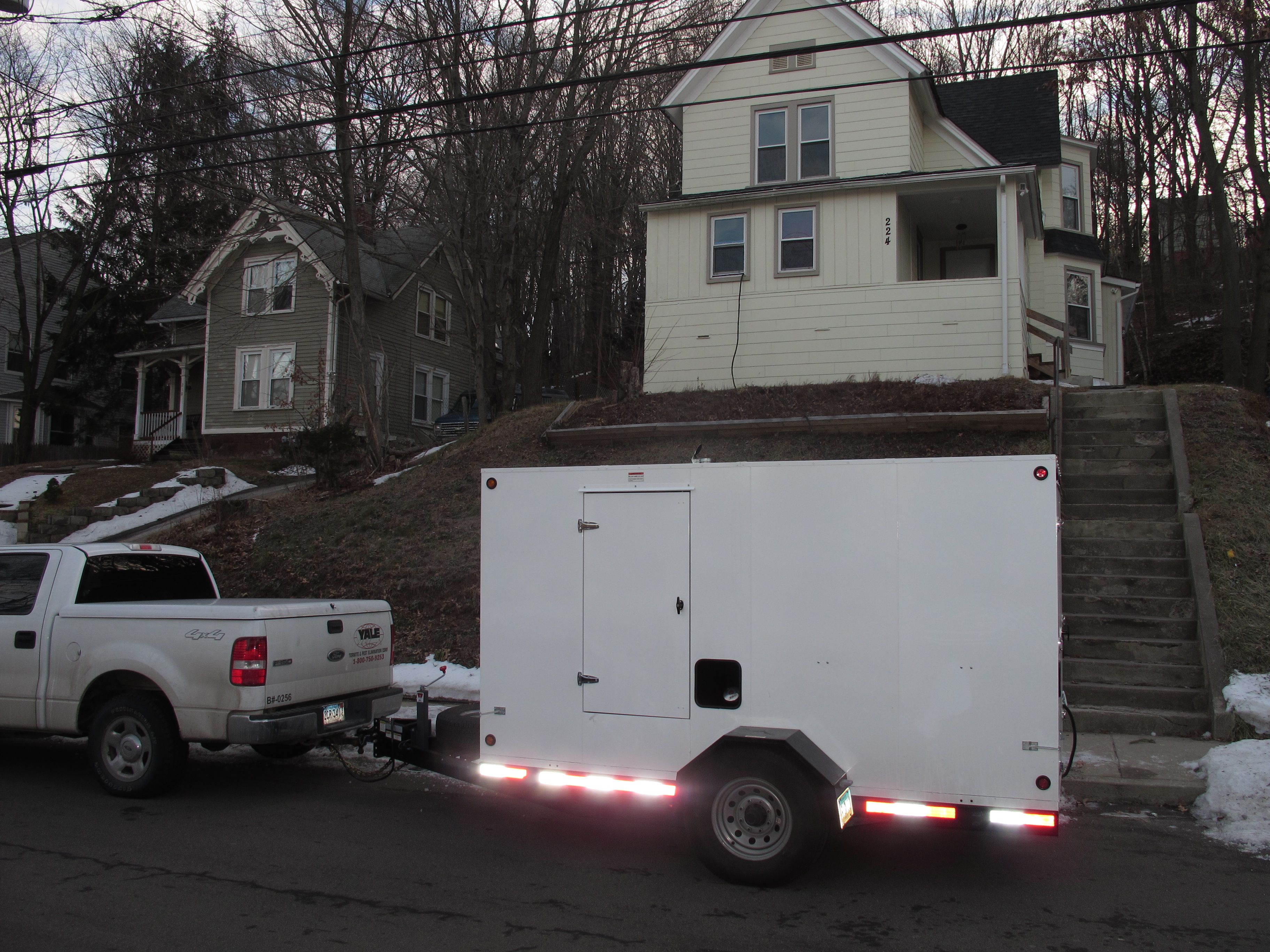
The website yalepest.com is a resource for residents of three Connecticut counties who are looking for professional tick control. The site describes the service area and the types of pest problems the company handles. It is a good starting point to learn what is available locally. Once you have that information, you can contact the company directly to discuss your property and get a treatment plan tailored to your yard.
In short, the answer is clear: start tick control in early spring, before the ticks become active. That means scheduling a treatment by late March or early April. Combine that with yard maintenance and personal checks, and you significantly reduce the risk of tick-borne illness for your family and pets. Do not wait until you find a tick on someone. By then, the season is already underway, and you have lost the advantage of early intervention.